“But the fruit of the Spirit is love, joy, peace, patience, kindness, goodness, faithfulness, gentleness, and self-control.”
, opening words (NET2)
Introduction
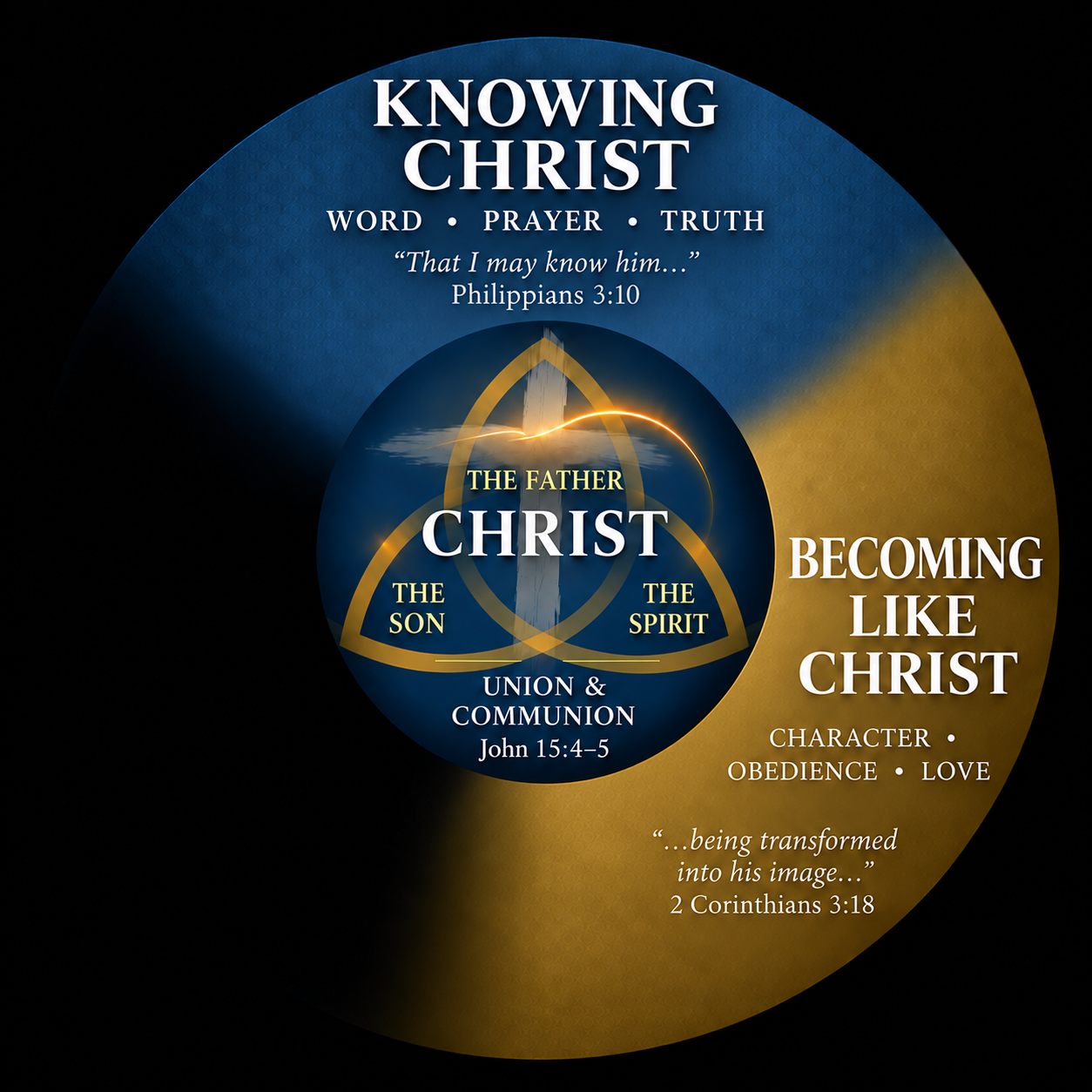
Knowing Christ changes us. As we receive his words and walk in his love, the Holy Spirit forms a life that increasingly resembles his. This growth is not a way to earn our place in God's family. Through faith in Christ we receive the forgiveness he secured at the cross; as God's dearly loved children, we learn to live out the grace we have received.
Becoming like Christ does not mean losing your personality or pretending to be perfect. It means becoming more loving, truthful, patient, and faithful—in the ordinary places where your character is tested. Growth may be slow, but the Spirit is at work. We respond by trusting Christ, turning from sin, and practicing what he teaches.
Prayerful Meditation
- Ask the Father to help you see the beauty of his Son and welcome the Spirit's transforming work.
- Notice both God's gracious work and the responses he calls for.
- Consider one relationship or situation where these truths could become visible this week.
Changed by the Spirit
Read (NET2).
17 Now the Lord is the Spirit, and where the Spirit of the Lord is present, there is freedom. 18 And we all, with unveiled faces reflecting the glory of the Lord, are being transformed into the same image from one degree of glory to another, which is from the Lord, who is the Spirit.
Paul is describing the life-giving work of the Spirit under the new covenant. Through Christ we can turn to the Lord without the veil that hid his glory. The Spirit gives freedom and transforms us to reflect the Lord's character. This is his work, not a self-improvement project we accomplish alone.
“From one degree of glory to another” points us toward ongoing transformation. We need not expect instant maturity or despair when we discover something that needs to change. We keep looking to Christ in his Word, confessing what is wrong, and receiving his help.
- What encourages you about who is responsible for this transforming work?
- What is one quality of Jesus you would like to see more clearly reflected in your life?
Learning to Walk by the Spirit
Read and 22–25 (NET2).
16 But I say, live by the Spirit and you will not carry out the desires of the flesh.
22 But the fruit of the Spirit is love, joy, peace, patience, kindness, goodness, faithfulness, 23 gentleness, and self-control. Against such things there is no law. 24 Now those who belong to Christ have crucified the flesh with its passions and desires. 25 If we live by the Spirit, let us also behave in accordance with the Spirit.
Here “the flesh” describes our sinful desires, not the idea that our physical bodies are evil. Belonging to Christ means a decisive break with sin's claim over us. Yet temptation remains, and we need the Spirit's help to refuse it and choose what pleases God.
The Spirit's fruit is not a scorecard for comparing ourselves with others. It shows the kind of life he produces. Depending on him involves real choices: pausing before an angry reply, telling the truth when it costs, or keeping a promise when it is inconvenient. When we sin, we bring it into the light promptly, trusting Christ's forgiveness and seeking help rather than making excuses.
- Which part of the Spirit's fruit speaks most directly to something you are facing?
- What would depending on the Spirit and taking a concrete step of obedience look like in that situation?
Putting Love into Practice
Read (NET2).
12 Therefore, as the elect of God, holy and dearly loved, clothe yourselves with a heart of mercy, kindness, humility, gentleness, and patience, 13 bearing with one another and forgiving one another, if someone happens to have a complaint against anyone else. Just as the Lord has forgiven you, so you also forgive others. 14 And to all these virtues add love, which is the perfect bond.
Notice where Paul begins: God's people are “dearly loved.” Our new identity comes before the call to put on a new way of life. Christ's costly forgiveness becomes the pattern for how we treat one another. Forgiving does not mean calling evil good, ignoring danger, or pretending trust has already been restored. It means refusing revenge and learning to respond from the grace Christ has shown us, with truth and appropriate boundaries.
Reflect and Respond
- How does being dearly loved by God change the way you approach an area where you need to grow?
- Choose one act of kindness, humility, patience, or forgiveness to practice this week. Who could encourage you and pray with you?
Take a moment to record your reflections and questions.
The Way Forward
Ask for the Spirit's help in one specific situation each day. Notice his grace, respond honestly when you fail, and keep taking the next faithful step.
“Father, thank you that I am dearly loved in Christ. By your Spirit, make his love and character visible in me, for your glory and the good of others.”
Commit to memory. Review it often, thinking about the Spirit's fruit in your everyday relationships.
Coming next: A Whole Life Under Christ—following him in every area of life.