“Remain in me, and I will remain in you.”
, opening words (NET2)
Introduction
Through Christ's death for us, we receive forgiveness and are brought into fellowship with God. We do not leave that grace behind as we grow. The same Savior who brings us to God sustains our life with him.
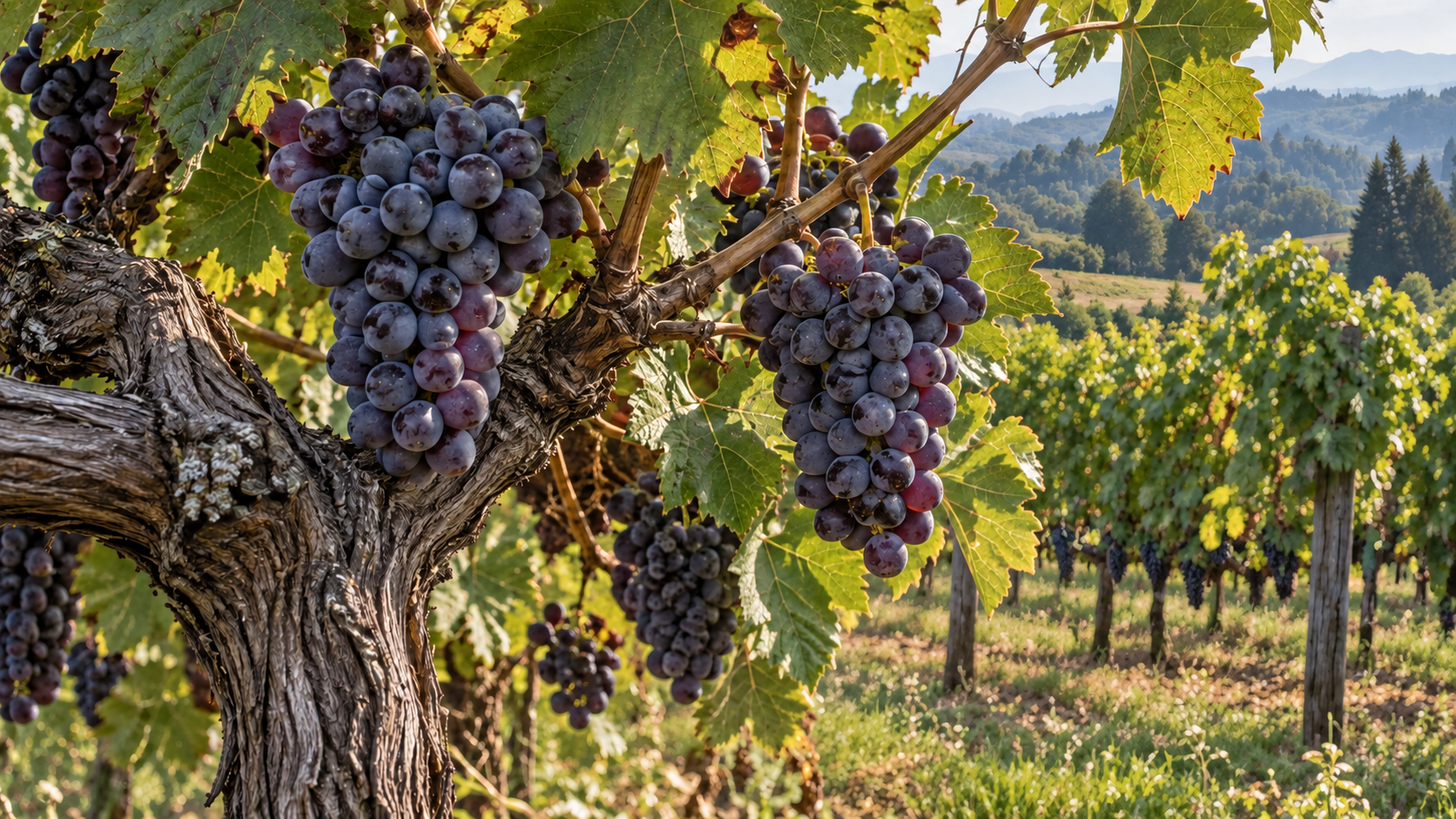
Jesus describes this relationship through a familiar picture: a vine and its branches. A branch receives its life from the vine. In the same way, we depend on Christ, not simply at the beginning of the Christian life, but every day. To abide means to remain. Abiding in Christ means continuing to trust him, receive his words, and live in his love.
This conversation invites us to grow in communion with Christ—the fellowship we enjoy because we belong to him. It is not a technique for producing a special feeling. Through the Holy Spirit, we learn to know and love Christ in ordinary life, to the glory of the Father.
Prayerful Meditation
- Ask the Father to help you hear his Son's words and respond through the Spirit's help.
- Notice what Jesus gives, what he calls us to do, and what he promises.
- Bring your questions honestly. You do not need to understand everything at once.
Receiving Our Life from Christ
Read (NET2).
Jesus spoke these words to his disciples before his death. Listen for both his gracious assurance and his serious call to remain in him.
1 “I am the true vine and my Father is the gardener. 2 He takes away every branch that does not bear fruit in me. He prunes every branch that bears fruit so that it will bear more fruit. 3 You are clean already because of the word that I have spoken to you. 4 Remain in me, and I will remain in you. Just as the branch cannot bear fruit by itself, unless it remains in the vine, so neither can you unless you remain in me.
5 “I am the vine; you are the branches. The one who remains in me—and I in him—bears much fruit because apart from me you can accomplish nothing. 6 If anyone does not remain in me, he is thrown out like a branch and dries up; and such branches are gathered up and thrown into the fire and are burned up.
Jesus does not ask the branches to create their own life. He calls them to remain in him. The Father cares for fruitful branches and prunes them for further growth. His loving work may expose habits or desires that need to change; we can trust his care even when growth is uncomfortable.
The warning about a withered branch matters: life and fruitfulness cannot be found apart from Christ. This is a call to continuing faith, not a demand to measure our salvation by a perfect devotional routine. When we fail, we come honestly to the Savior whose sacrifice secured our forgiveness, rather than hiding from him.
- What do the vine, branches, and gardener teach you about our dependence on Christ and the Father's care?
- Where are you tempted to rely on yourself rather than Christ? What might trusting him look like there?
His Words Shape Our Prayers
Read (NET2).
7 If you remain in me and my words remain in you, ask whatever you want, and it will be done for you. 8 My Father is honored by this, that you bear much fruit and show that you are my disciples.
We listen to Jesus in Scripture and answer him in prayer. As his words take root in us, they shape what we love, desire, and ask. His promise is not a blank check for ambitions disconnected from him. It encourages confident prayer shaped by his words and directed toward the Father's glory.
A simple daily rhythm can help: read a short passage, pause over a truth, and turn it into prayer. Carry that truth into your work, relationships, and decisions. The purpose is fellowship with God, not finishing a task.
- How might allowing Jesus' words to remain in you change what you ask for in prayer?
- Choose one truth from today's reading. How could you turn it into a prayer for yourself or someone else?
Remaining in His Love
Read (NET2).
9 “Just as the Father has loved me, I have also loved you; remain in my love. 10 If you obey my commandments, you will remain in my love, just as I have obeyed my Father's commandments and remain in his love. 11 I have told you these things so that my joy may be in you, and your joy may be complete.
Jesus begins with his love: “I have also loved you.” Obedience is our response to that love, not its purchase price. Communion with Christ involves listening and responding, not simply learning facts about him. His Spirit helps us put his words into practice, including when obedience is difficult.
The fruit of this relationship includes a life increasingly shaped by Christ: love, trust, obedience, and service to others. Jesus calls us into his joy, not anxious self-reliance. We may not always feel close to him, but we can continue trusting his words and bringing our hearts to him.

Reflect and Respond
- What encourages you about the connection between Jesus' love, obedience, and joy?
- What is one practical way you could remain attentive to Christ this week—in his Word, in prayer, and in a particular act of obedience?
Take a moment to record your reflections and questions.
The Way Forward
Set aside a few unhurried minutes each day to read, reflect, and pray. Start with , and carry one truth with you through the day.
“Father, thank you for your love in Christ. By your Spirit, help me receive his words, bring my longings to you, and obey with joy. Make my life fruitful through your Son, for your glory.”
Commit to memory. Review it often and think about its meaning each day. If you miss a day, begin again: you are coming to a Savior, not maintaining a score.
Coming next: Becoming Like Christ—how the Spirit forms Christ's character in us.