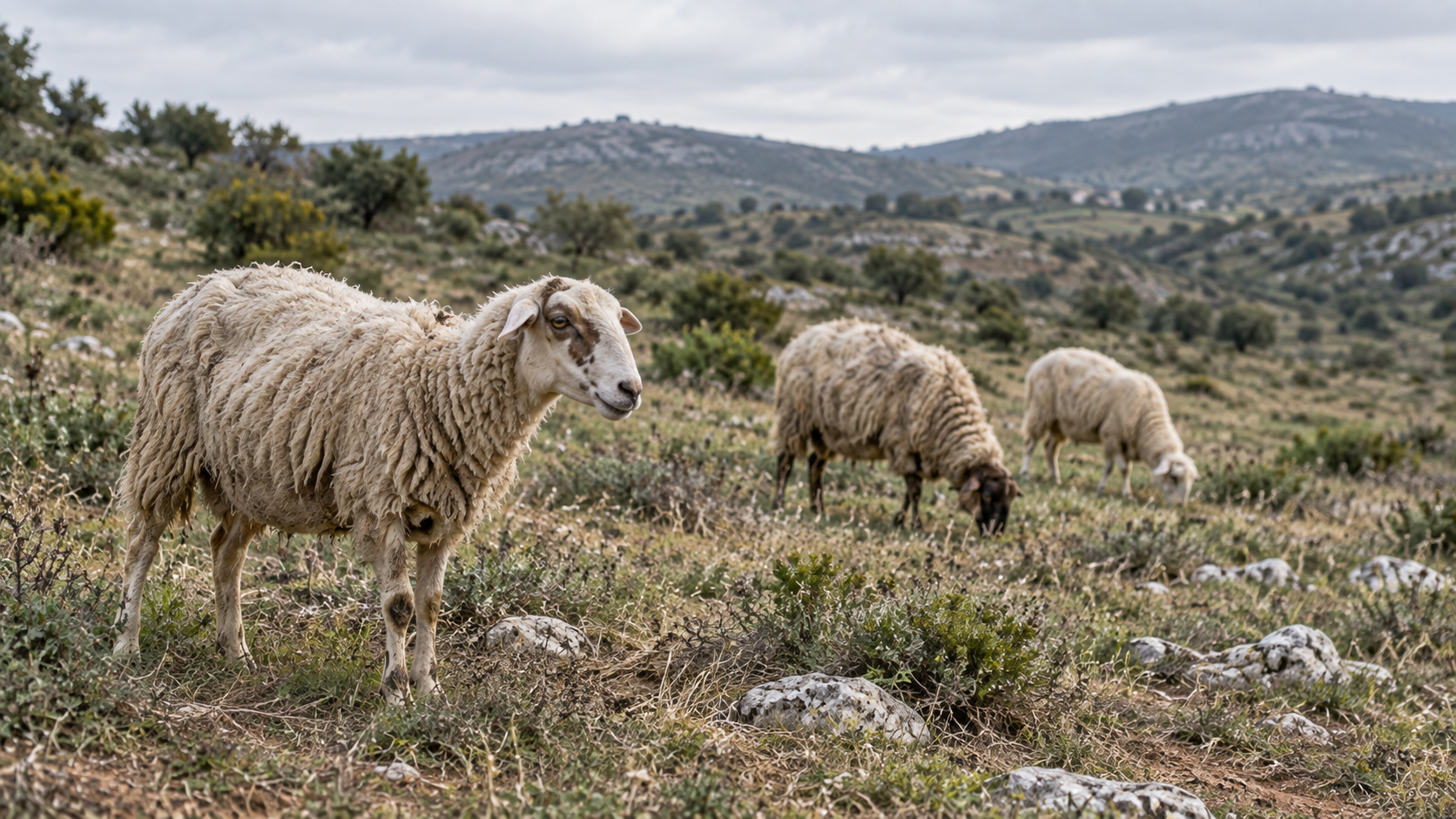
Jesus now develops the picture of the shepherd. He is not merely the Door through which the sheep enter. He describes himself as the Good Shepherd who knows his sheep, protects them, and willingly gives his life for them.
1. Connect
Think about someone you really trust.
What makes a person worthy of your trust?
2. Read
Read , together.
As you read, notice what Jesus says the Good Shepherd does for his sheep.
(NET2)
11 “I am the good shepherd. The good shepherd lays down his life for the sheep. 12 The hired hand, who is not a shepherd and does not own sheep, sees the wolf coming and abandons the sheep and runs away. So the wolf attacks the sheep and scatters them. 13 Because he is a hired hand and is not concerned about the sheep, he runs away.
14 “I am the good shepherd. I know my own and my own know me— 15 just as the Father knows me and I know the Father—and I lay down my life for the sheep. 16 I have other sheep that do not come from this sheepfold. I must bring them too, and they will listen to my voice, so that there will be one flock and one shepherd. 17 This is why the Father loves me —because I lay down my life, so that I may take it back again. 18 No one takes it away from me, but I lay it down of my own free will. I have the authority to lay it down, and I have the authority to take it back again. This commandment I received from my Father.”
(NET2)
27 My sheep listen to my voice, and I know them, and they follow me. 28 I give them eternal life, and they will never perish; no one will snatch them from my hand. 29 My Father, who has given them to me, is greater than all, and no one can snatch them from my Father’s hand. 30 The Father and I are one.”
NET Bible, Second Edition. © 2017 Biblical Studies Press. Used by permission.
What caught your attention?
3. Explore
Look back at the passage as you discuss these questions.
- In verses 11–13, what is the difference between the Good Shepherd and the hired worker?
- Jesus repeatedly says that the Good Shepherd “lays down his life for the sheep.” Why do you think he emphasizes this?
- According to verses 14–15, what kind of relationship exists between Jesus and his sheep?
- What do you think Jesus means in verse 16 when he speaks about “other sheep” and “one flock, one shepherd”?
- According to verses 27–30, what does Jesus promise those who hear his voice and follow him?
4. Consider
Jesus says:
“I am the good shepherd. The good shepherd lays down his life for the sheep.”
- What does this tell you about the kind of person Jesus claims to be?
- Why would the death of the Shepherd be necessary for the sheep?
- What do you find attractive, surprising, difficult, or hard to believe about Jesus' claim?
- What would it be like to believe that you are personally known by Jesus rather than simply knowing things about him?
5. Respond
Jesus describes his sheep very simply:
“My sheep listen to my voice, and I know them, and they follow me.”
What do you think it would mean in your life to hear Jesus' voice and begin following him?
As we continue investigating Jesus, consider our central question:
Who is this Jesus who claims to know his people, give his life for them, and give them eternal life?
Explore More
If you would like to keep reading, read all of and notice how people respond to Jesus' increasingly remarkable claims.
Next Conversation: Life Beyond Death — “I Am the Resurrection and the Life.”